
Introduction
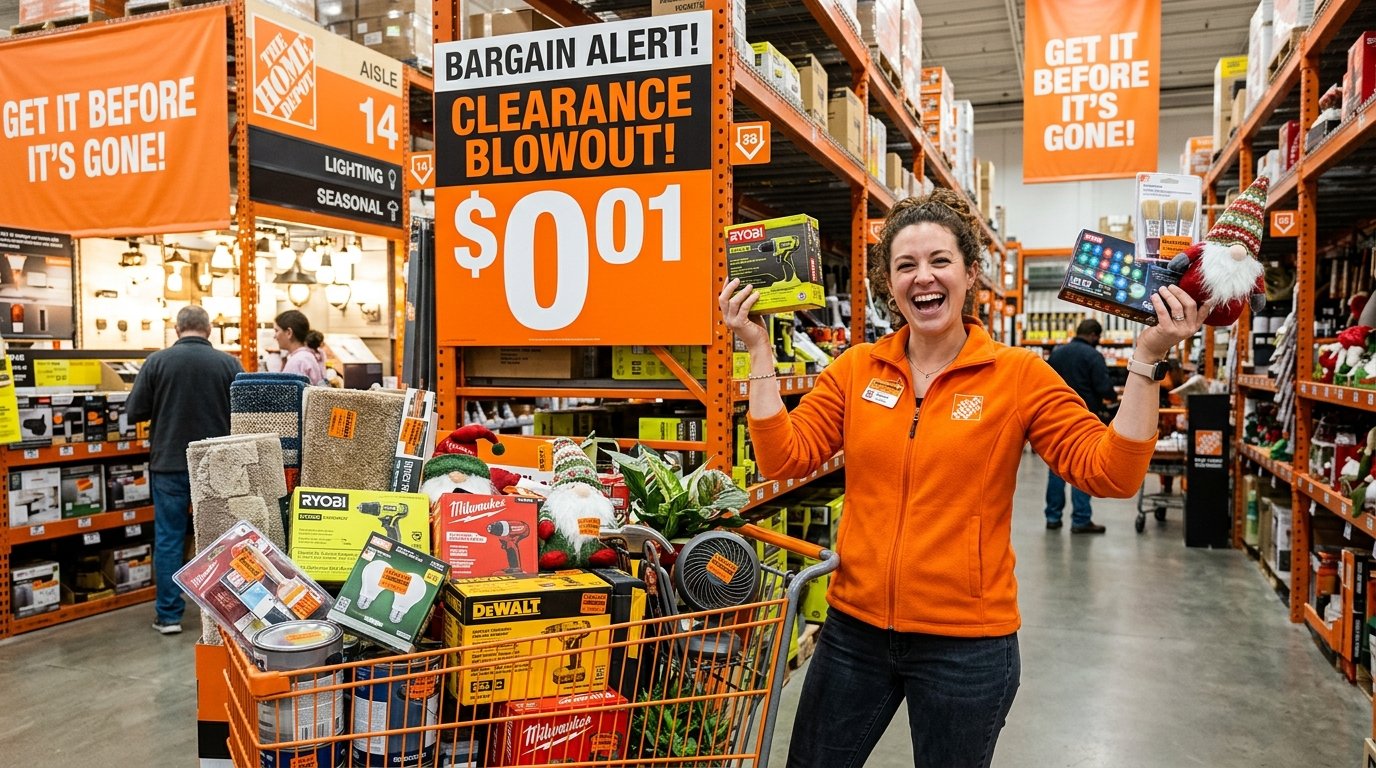
Imagine walking into your local Home Depot and walking out with products that cost you just one single penny. No, this is not a myth, a scam, or an exaggeration. The Home Depot Penny Items phenomenon is very real, and in 2026, thousands of savvy shoppers across the United States are taking full advantage of it to save hundreds — sometimes thousands — of dollars on home improvement products, tools, seasonal decorations, and much more.
If you have never heard of Home Depot penny items before, you are about to discover one of the best-kept secrets in the world of retail shopping. And if you already know about them but have struggled to find them, this comprehensive guide will give you everything you need to start scoring incredible deals starting today.
Welcome to the ultimate guide to Home Depot Penny Items in 2026 — how they work, how to find them, what to look for, and how to maximize your savings like a true bargain hunting professional.
What Exactly Are Home Depot Penny Items?
Home Depot penny items are products that have been marked down in the store’s internal system to just $0.01 — one single penny. These are not advertised sales or publicly promoted discounts. They are items that Home Depot’s internal inventory system has flagged for clearance because they are being discontinued, phased out of stock, or replaced by newer models or seasonal inventory.
The key thing to understand is that these penny prices do not show up on the physical price tags on the shelves. The shelf tag might still show the original retail price — which could be $20, $50, or even $100 or more. But when the item is scanned at the register or checked using the Home Depot app, the price in the system comes up as just one cent.
This is why penny items represent such an extraordinary opportunity for informed shoppers. Most customers walk right past these items every single day, paying full price or not buying them at all — completely unaware that the store’s system has already marked them down to virtually nothing.
Why Does Home Depot Have Penny Items?
Understanding why Home Depot penny items exist helps you find them more effectively. There are several reasons why products end up at the penny price point in Home Depot’s system:
Seasonal Clearance: Holiday decorations, seasonal garden products, and weather-related items are heavily marked down after their peak selling season ends. Christmas items in January, summer garden products in September, and Halloween decorations in November are classic examples.
Discontinued Products: When Home Depot decides to stop carrying a particular product line or brand, remaining inventory needs to be cleared out to make room for new merchandise. These items often cycle down to penny pricing as the final stage of their markdown journey.
Damaged Packaging: Items with damaged, torn, or missing packaging may be marked down through the system even if the product itself is in perfect condition.
System Resets: Home Depot periodically resets its planogram — the organized layout of products on store shelves. Items that don’t fit the new layout or are being repositioned in the store may be cleared through penny pricing.
Overstock: When Home Depot over-ordered a particular product and needs to clear inventory space, deep markdowns including penny pricing can be used to move merchandise quickly.
How to Find Home Depot Penny Items in 2026
This is the question every bargain hunter wants answered. Finding penny items requires a combination of the right tools, the right timing, and the right strategy. Here is exactly how to do it:
1. Use the Home Depot App
The Home Depot mobile app is your single most powerful tool for finding penny items. Here is how to use it effectively:
Open the app and use the barcode scanner feature to scan items on clearance shelves or any item you suspect might be marked down. The app will show you the current price in Home Depot’s system — and if an item has been reduced to a penny, it will show up as $0.01 right there on your screen.
Make it a habit to scan items on clearance endcaps, seasonal sections, and any area of the store where products are being reorganized or reduced. Even items without clearance tags can sometimes scan as pennies.
2. Know the Markdown Schedule
Home Depot typically follows a predictable markdown schedule that experienced penny item hunters know well. Seasonal items tend to hit penny pricing at specific times of year:
- Christmas and holiday items: First two weeks of January
- Halloween decorations: First week of November
- Spring and garden products: Late July through August
- Summer items: Late August through September
- Valentine’s Day merchandise: Mid to late February
By timing your store visits around these windows, you dramatically increase your chances of finding penny items at their peak availability.
3. Check Clearance Sections First
When you enter Home Depot, make a beeline for the clearance endcaps and seasonal clearance sections. These are the areas where penny items are most likely to be found, as they represent the final stages of markdown cycles before products are either sold, returned to vendors, or written off entirely.
Look for items with yellow clearance tags, items that appear to be in limited quantities, and products that seem slightly out of place or disorganized on the shelf. These are often signals that the items are deep in the clearance process.
4. Join Online Penny Item Communities
One of the most effective strategies for finding Home Depot penny items in 2026 is to connect with the thriving online community of penny item hunters. Facebook groups, Reddit communities, YouTube channels, and dedicated websites share real-time information about what items are currently scanning as pennies in stores across the country.
Members of these communities post photos, SKU numbers, and store locations where penny items have been found. By following these groups and staying active in the community, you can get tips about what to look for before you even set foot in the store.
5. Visit Multiple Store Locations
Penny item availability varies significantly from one Home Depot location to another. A product scanning as a penny in one store may still be at full price in a store just a few miles away — or may already be sold out entirely. Visiting multiple locations in your area significantly increases your chances of finding penny items before other shoppers get to them.
Some experienced penny hunters visit three, four, or even five different Home Depot locations in a single day when they know a major markdown cycle is happening. The effort can pay off enormously.
What Types of Items Become Penny Items?
Over the years, Home Depot penny item hunters have found an extraordinary range of products at the one cent price point. Here are the most common categories:
Holiday and Seasonal Decorations: Christmas trees, lights, ornaments, Halloween props, Easter decorations, and Fourth of July items are among the most frequently found penny items. These seasonal products have a very defined selling window, making them prime candidates for deep clearance markdowns.
Garden and Outdoor Products: Planters, garden tools, outdoor furniture accessories, lawn ornaments, and seasonal planting supplies regularly cycle through penny pricing as seasons change.
Paint and Painting Supplies: Discontinued paint colors, brushes, rollers, and painting accessories sometimes hit penny pricing when Home Depot updates its product selection.
Lighting Fixtures: Discontinued lighting styles, discontinued bulb types, and display models of light fixtures can sometimes be found at penny prices.
Hardware and Tools: Occasionally, discontinued tool lines, limited edition products, and overstock hardware items make their way to penny pricing.
Home Organization Products: Storage bins, shelving accessories, and organizational products that are being phased out are sometimes found at penny prices.
Important Rules and Etiquette for Penny Item Shopping
While penny item shopping is completely legal and legitimate, there are important rules and etiquette guidelines every shopper should follow:
Be honest and transparent: When you bring a penny item to the register, let the cashier scan it normally. Do not attempt to manipulate the system or misrepresent products.
Be respectful to staff: Some Home Depot employees are aware of penny items and are happy to help. Others may be unfamiliar with the concept. Always be polite, patient, and respectful regardless of the situation.
Do not clear entire shelves: Taking every single penny item you find is considered poor etiquette in the penny hunting community and can create negative relationships with store staff. Leave some items for other shoppers.
Respect store policies: Home Depot reserves the right to limit quantities or refuse sales at penny pricing in certain circumstances. Always respect the store’s decisions and policies.
How Much Can You Really Save?
The savings potential from Home Depot penny items is genuinely remarkable. Dedicated penny hunters regularly report saving hundreds of dollars per shopping trip on items they actually need for home improvement projects, holiday decorating, and gardening.
Consider this: finding just ten items that would normally retail for an average of $25 each means saving $249.90 on a single shopping trip. Many experienced hunters do this regularly throughout the year, accumulating annual savings that easily reach into the thousands of dollars.
Final Thoughts
Home Depot penny items represent one of the most extraordinary bargain hunting opportunities available to American consumers in 2026. With the right knowledge, the right tools, and the right timing, any shopper can walk into their local Home Depot and walk out with incredible products for just pennies on the dollar.
The secret is now yours. Download the app, learn the markdown schedule, connect with the community, and start scanning. Your next penny item treasure hunt could be just around the corner — and the savings you discover could genuinely change the way you shop forever.
Happy hunting — and may your next trip to Home Depot cost you nothing more than a few shiny pennies.